From January 14 to 19, 2026, students from the Tsinghua University PBC School of Finance Belt and Road Initiative EMBA (BRI EMBA) program gathered in Kuala Lumpur, Malaysia, for a five-day academic module.
Designed around the intersection of public policy, business practice, and professional insight, the module combined visits to government agencies and leading companies with academic coursework and cross-cultural exchange. Through this integrated learning experience, students gained a deeper understanding of Southeast Asia’s economic landscape, explored emerging market opportunities, and built connections for cross-border business collaboration.
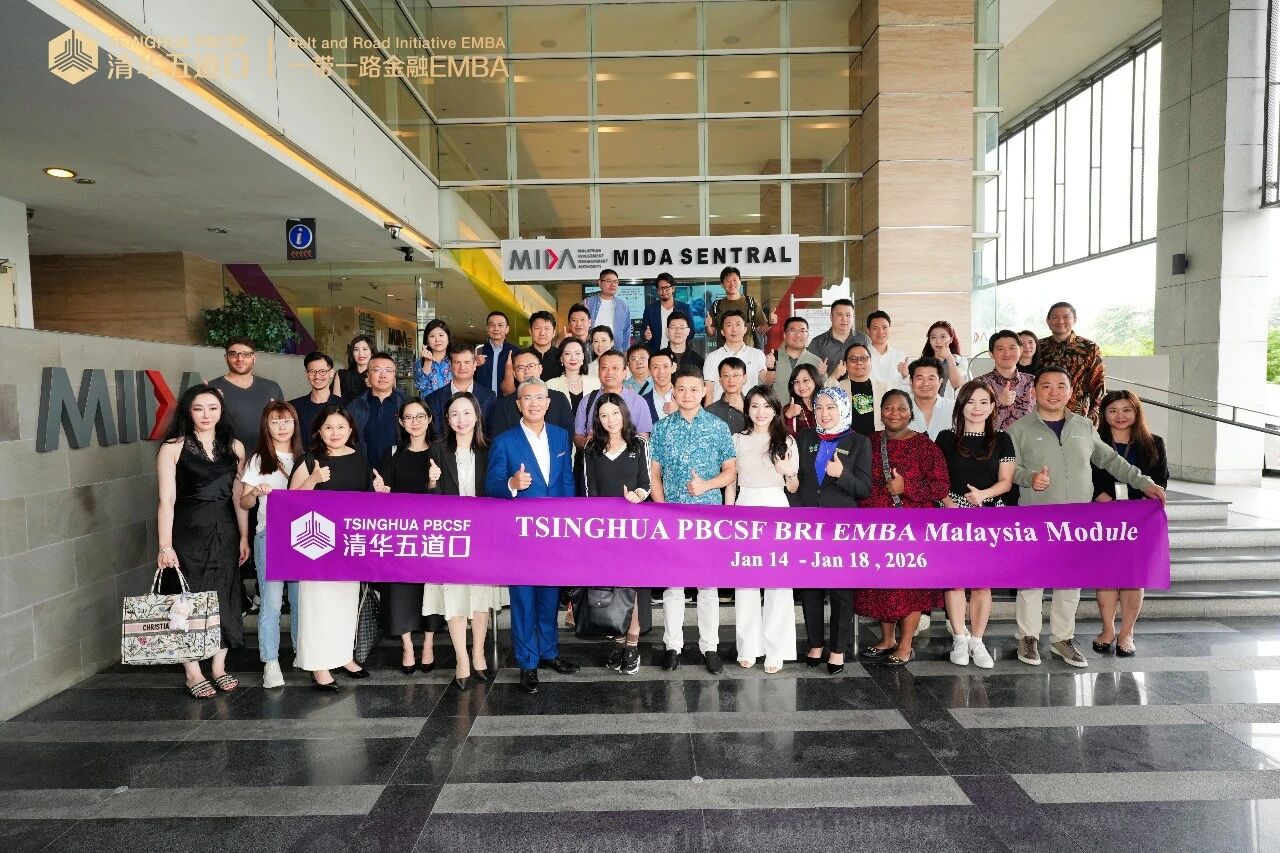
BRI EMBA students during the Kuala Lumpur module
Day One: Understanding Malaysia’s Business Environment through Government and Corporate Visits
The module opened with an intensive day of institutional and corporate visits to the Malaysian Investment Development Authority (MIDA), the Malaysia Digital Economy Corporation (MDEC), and leading Malaysian consumer-goods company Mamee Group.
Together, the visits offered students a multidimensional view of Malaysia’s growth drivers and business environment—from government policy and industrial strategy to corporate operations and market execution.
Engaging with MIDA and MDEC: Building Links to Malaysia’s Investment and Digital Ecosystems
At MIDA, the delegation was warmly received by Tengku Zafrul Tengku Abdul Aziz, Chairman of MIDA, former Malaysian Minister of Finance and former Minister of Investment, Trade and Industry, as well as a student from the inaugural BRI EMBA cohort.
Tengku Zafrul introduced MIDA’s role in attracting and facilitating global investment into Malaysia. With an international network that includes an office in Shanghai and representatives across key Malaysian states, MIDA works to support investment projects from initial engagement through implementation.
Its mandate extends beyond promoting foreign direct investment. MIDA also facilitates investment across regions within Malaysia and supports trade and investment engagement with major economies including China, the United States, and Europe. It helps international companies establish and expand operations in Malaysia while also supporting Malaysian businesses in their overseas development.
As a one-stop investment facilitation agency, MIDA coordinates resources across government and provides support in areas ranging from taxation to transportation and project implementation. Its project-tracking mechanisms are designed to help investments progress efficiently from approval to execution.
Tengku Zafrul highlighted the electrical and electronics (E&E) sector as a major strategic priority for Malaysia and a key pillar of the country’s exports. Manufacturing more broadly remains central to Malaysia’s export economy. China, meanwhile, is one of Malaysia’s largest sources of foreign investment and its largest trading partner.
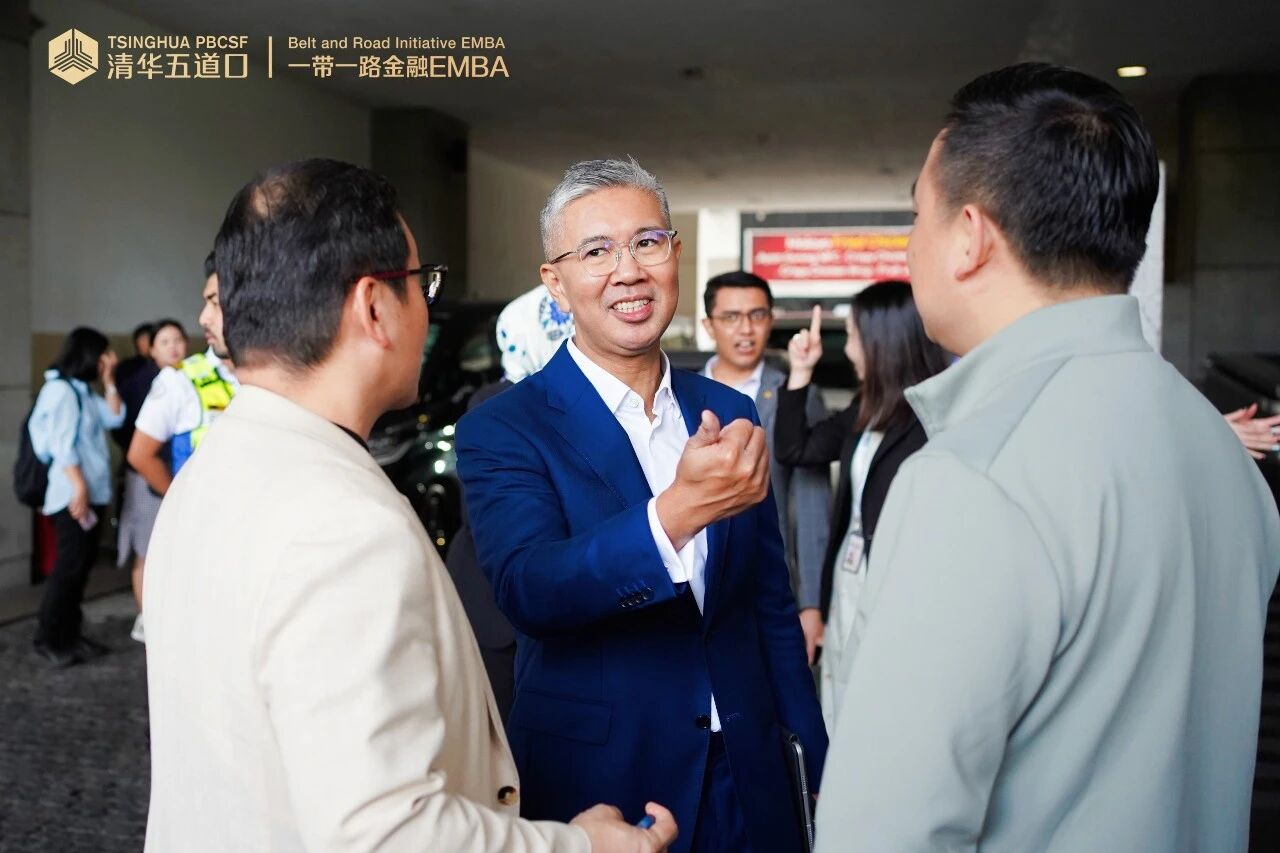
BRI EMBA students in discussion with Tengku Zafrul
At MDEC, Kamelinder Singh, Head of Digital Investment, introduced the agency’s evolution and its role in Malaysia’s digital economy.
Established in 1996, MDEC works to attract international companies and investment to Malaysia while supporting Malaysian enterprises in expanding abroad. Its early investment-promotion measures included tax incentives and visa facilitation for international professionals. MDEC has also worked with universities and other institutions to strengthen local talent development and facilitate the transfer of expertise from global professionals to Malaysia’s domestic workforce.
As the digital economy has expanded, Malaysia has continued to strengthen its policy and institutional framework for emerging technologies, including artificial intelligence. MDEC has played an important role in supporting the development of the country’s digital ecosystem and in connecting companies with relevant talent, policy, and investment resources.
MDEC’s international engagement spans major markets including China, the United States, and Europe. Through business missions, investment programs, and corporate matchmaking, the agency helps companies identify partners and pursue opportunities across borders.
Looking ahead, Malaysia is placing particular emphasis on sectors including agriculture technology, blockchain, healthcare manufacturing, and artificial intelligence. Its location at the heart of ASEAN, relatively stable business environment, and demographic advantages continue to strengthen its appeal to international investors.
During the discussion, students raised questions ranging from MDEC’s activities in China to differences in talent-related incentive policies. Kamelinder Singh addressed the questions in detail and emphasized MDEC’s continued commitment to helping businesses capture opportunities in Malaysia and the wider regional market.
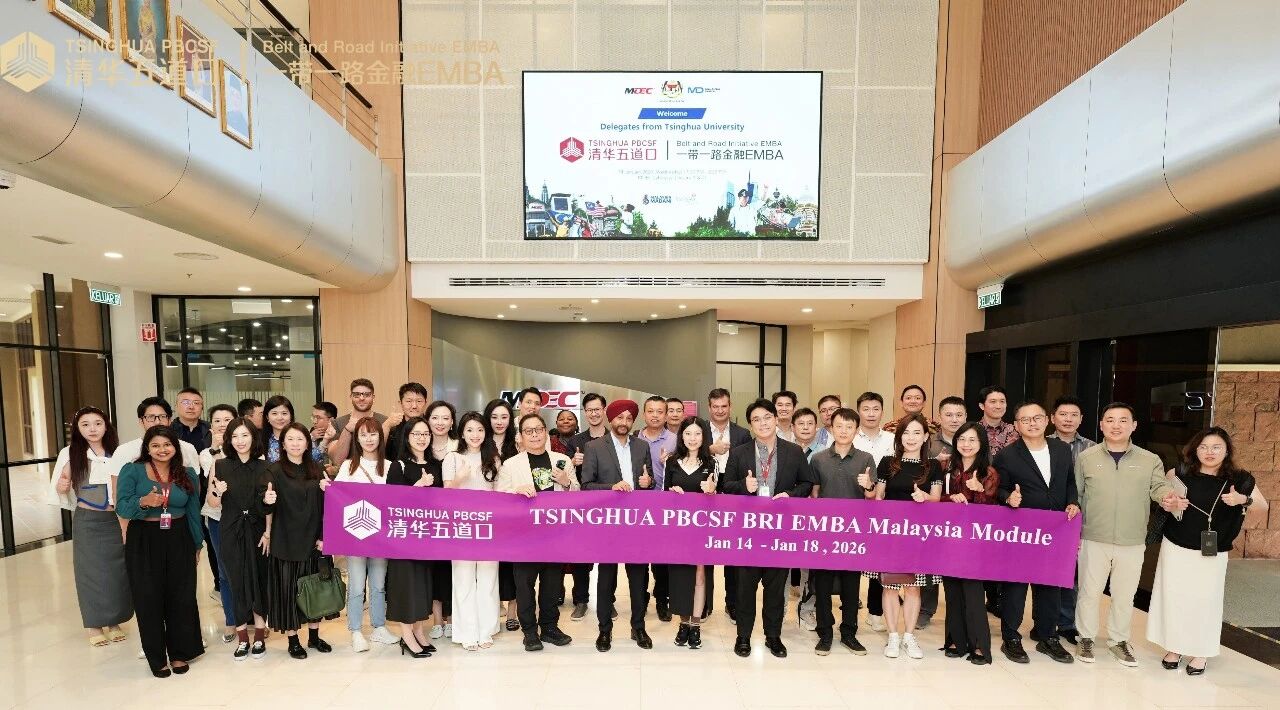
BRI EMBA students visiting MDEC
Inside Mamee Group: Lessons in Local Operations, Innovation, and Supply Chain Management
The delegation then visited Mamee Group, one of Malaysia’s best-known homegrown fast-moving consumer goods companies.
Pierre Pang Hee Ta, Group CEO of Mamee, shared the company’s development journey since its founding in 1971. He explained that Mamee initially built its position in the market by offering high-quality products at competitive prices.
As consumer preferences began to shift after 2000, particularly with the emergence of a new generation of consumers, the company changed its approach. It placed greater emphasis on product innovation and emotional connection with consumers, accelerated product-development cycles, and experimented with limited-edition products, cross-brand collaborations, and new products designed to generate strong consumer interest.
To remain competitive in a rapidly changing market, Mamee has embraced what Pang described as a philosophy of “self-disruption.” The company has invested in food-technology startups across multiple markets, including businesses focused on healthy snacks and high-protein foods.
At the same time, Mamee has built an ecosystem that gives emerging brands access to its capabilities in research and development, manufacturing, and global distribution, helping promising businesses scale more effectively.
The company is also exploring collaboration with Chinese partners to establish an investment fund that could support Chinese food companies seeking to enter Southeast Asian, European, and North American markets.
Looking ahead, Mamee aims to evolve into a global snack solutions provider, building an ecosystem spanning healthier food products, convenient dining solutions, and other consumer categories while leveraging Malaysia’s distinctive industrial strengths to accelerate its international expansion.
Pang also expressed strong interest in the Chinese market and in the Tsinghua PBCSF BRI EMBA community.
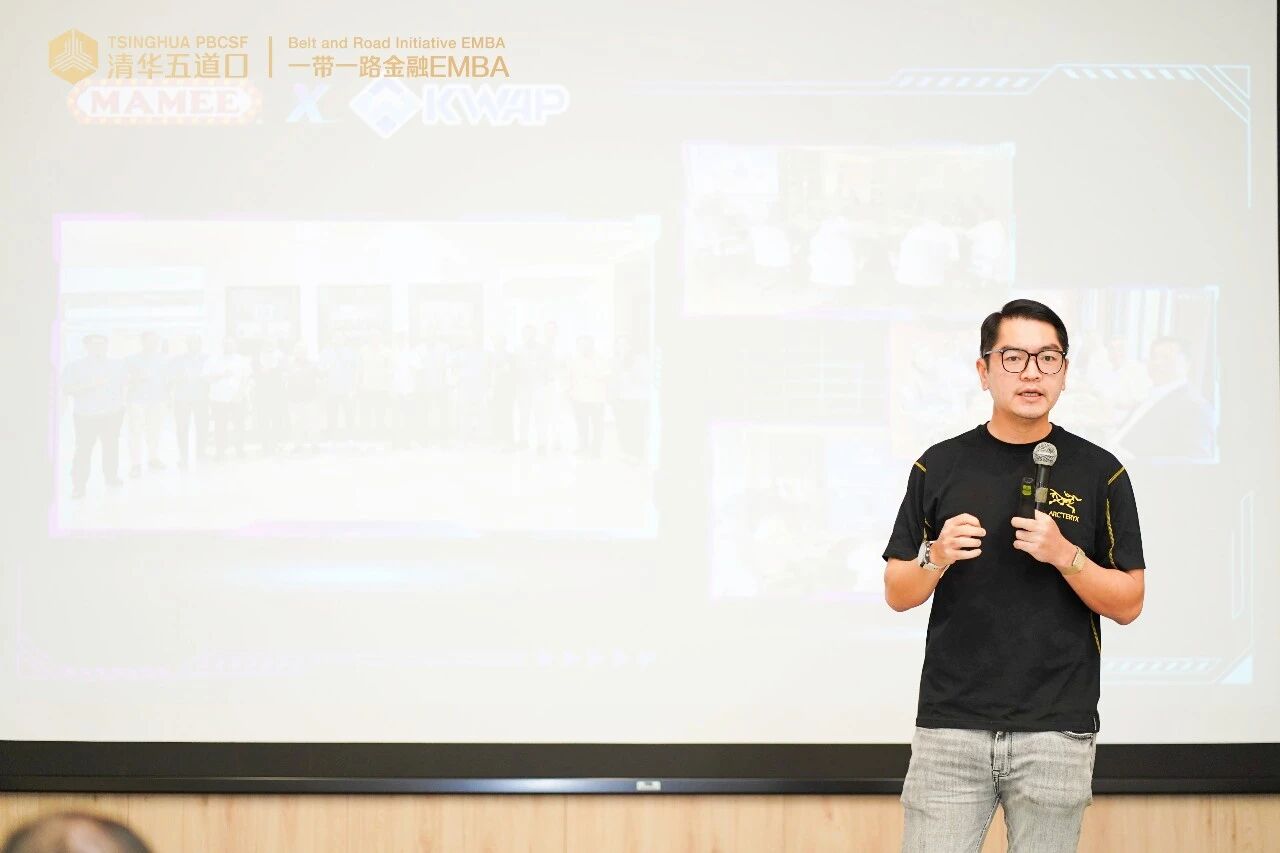
Pierre Pang Hee Ta, Group CEO of Mamee
Academic Focus: Addressing Two Priorities for Global Business Expansion
The Kuala Lumpur module was designed around issues increasingly relevant to companies expanding internationally.
Academic sessions focused on two areas in particular: cross-border taxation and wealth management, and global macroeconomic investment strategy. Leading practitioners and scholars combined analytical frameworks with real-world experience to help students navigate the complexities of international business and investment.
Taxation and Wealth Management: Navigating Cross-Border Compliance and Planning
Chen Mingyu, a veteran tax adviser and former tax partner at Deloitte, EY, and KPMG, taught the course Taxation and Wealth Management.
The course examined practical issues arising from international business operations, including cross-border tax compliance, international tax planning, talent strategy, residency planning for high-net-worth individuals, and approaches to managing the tax implications of wealth preservation and succession.
Ahead of the class, students worked in groups to complete a simulation-based assignment. They considered fundamental questions such as “Who should pay more tax?” and “What constitutes a fair tax system?”, developing their own proposals and presenting them in class.
Drawing on more than three decades of experience in cross-border tax and business advisory, Chen compared the tax systems of China, the United States, and Singapore and examined practical cases involving cross-border investment structures, mergers and acquisitions, corporate restructuring, and tax-risk management.
Through these examples, he demonstrated how differences in national tax policies and enforcement systems can shape companies’ international operations. The course provided students with practical perspectives on optimizing global tax structures, managing cross-border tax risk, and approaching personal wealth management and succession in a compliant manner.
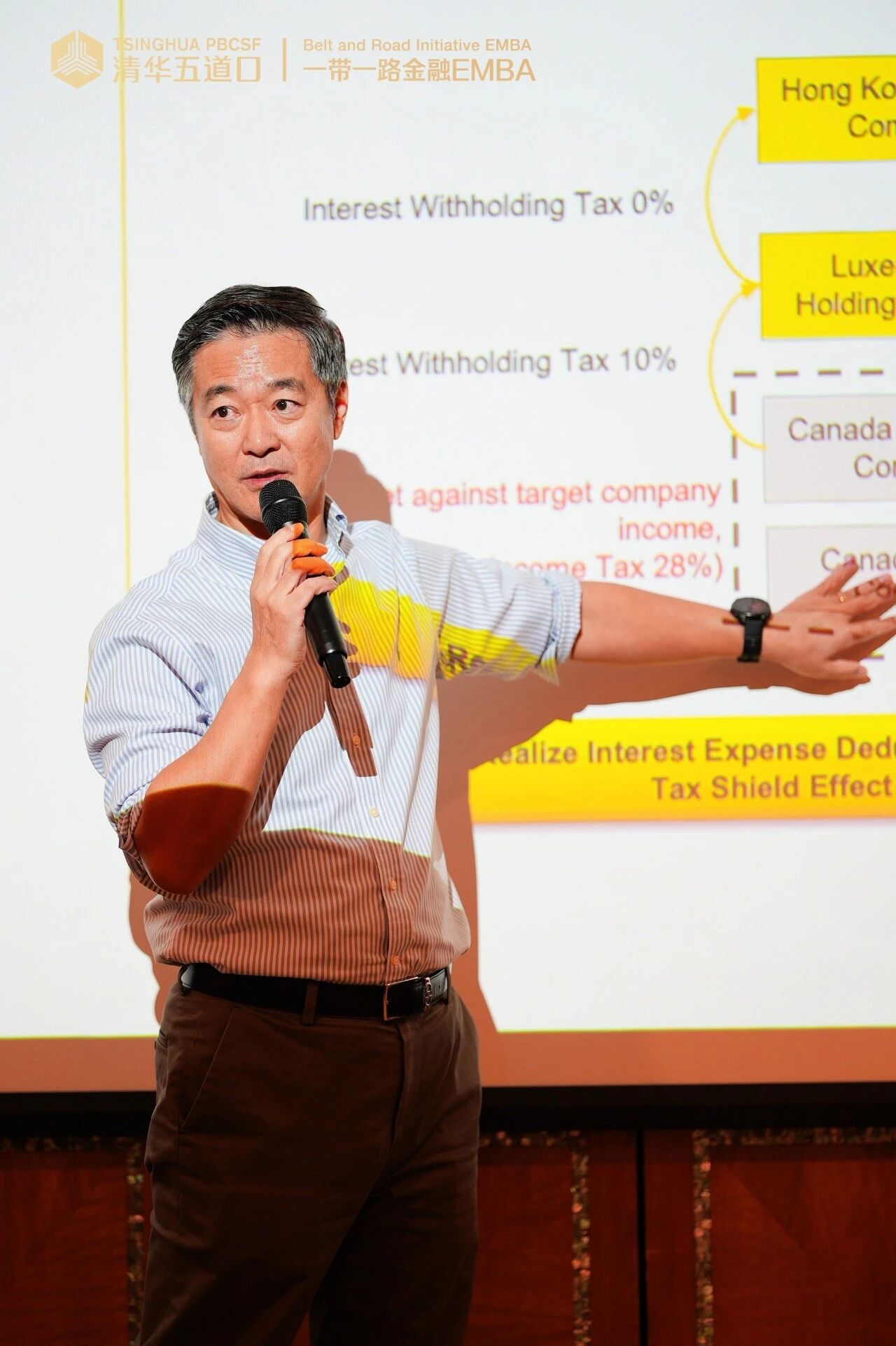
Chen Mingyu
Government-Business Dialogue: Connecting Policy with Market Practice
To further connect classroom learning with real-world decision-making, the module featured a special government-business dialogue bringing together perspectives from public policy, entrepreneurship, and the clean-energy sector.
Speakers included Sim Tze Tzin, Deputy Minister of Investment, Trade and Industry of Malaysia; Datuk Joevy Beh Yen Ling, a BRI EMBA Class 7 student and Chairman of Clinco Waste Management; and Dato’ Davis Chong Chun Shiong, Executive Director and Group Chief Executive Officer of Solarvest Holdings Berhad, one of Malaysia’s leading clean-energy solutions providers.
The three speakers approached Malaysia’s economic development from different perspectives: government policy and investment opportunities, business transformation and social responsibility, and clean-energy innovation and corporate growth.
Sim Tze Tzin discussed Malaysia’s global connectivity, diversified industrial base, and business environment. He outlined the country’s investment policies and development priorities in areas including renewable energy, semiconductors, and the digital economy, and introduced flagship China-Malaysia cooperation initiatives under the Belt and Road framework.
He also discussed the opportunities for public-private and business-to-business cooperation generated by a series of bilateral memoranda of understanding, highlighting Malaysia’s potential as a regional hub for trade and investment.
Drawing on twelve years of experience in business transformation and crisis management, Datuk Joevy Beh Yen Ling shared lessons from his own entrepreneurial journey. He discussed the evolution from horizontal business expansion toward deeper vertical integration, reflected on how companies can learn and adapt through periods of crisis, and explored how commercial success can be combined with a sustained commitment to social impact.
Dato’ Davis Chong Chun Shiong drew on Solarvest’s experience in the Asia-Pacific clean-energy sector. He outlined the company’s evolution from engineering, procurement, construction, and commissioning (EPCC) services in solar energy toward a broader clean-energy platform encompassing asset development, energy storage, and other parts of the value chain.
He also examined the technological innovation and market-development strategies behind Malaysia’s large-scale solar initiatives, as well as Solarvest’s experience addressing industry challenges while operating across eight countries.
The presentations were followed by an active discussion, with students engaging the speakers on policy, industry trends, operational challenges, and the practical implications for companies pursuing regional and international growth.
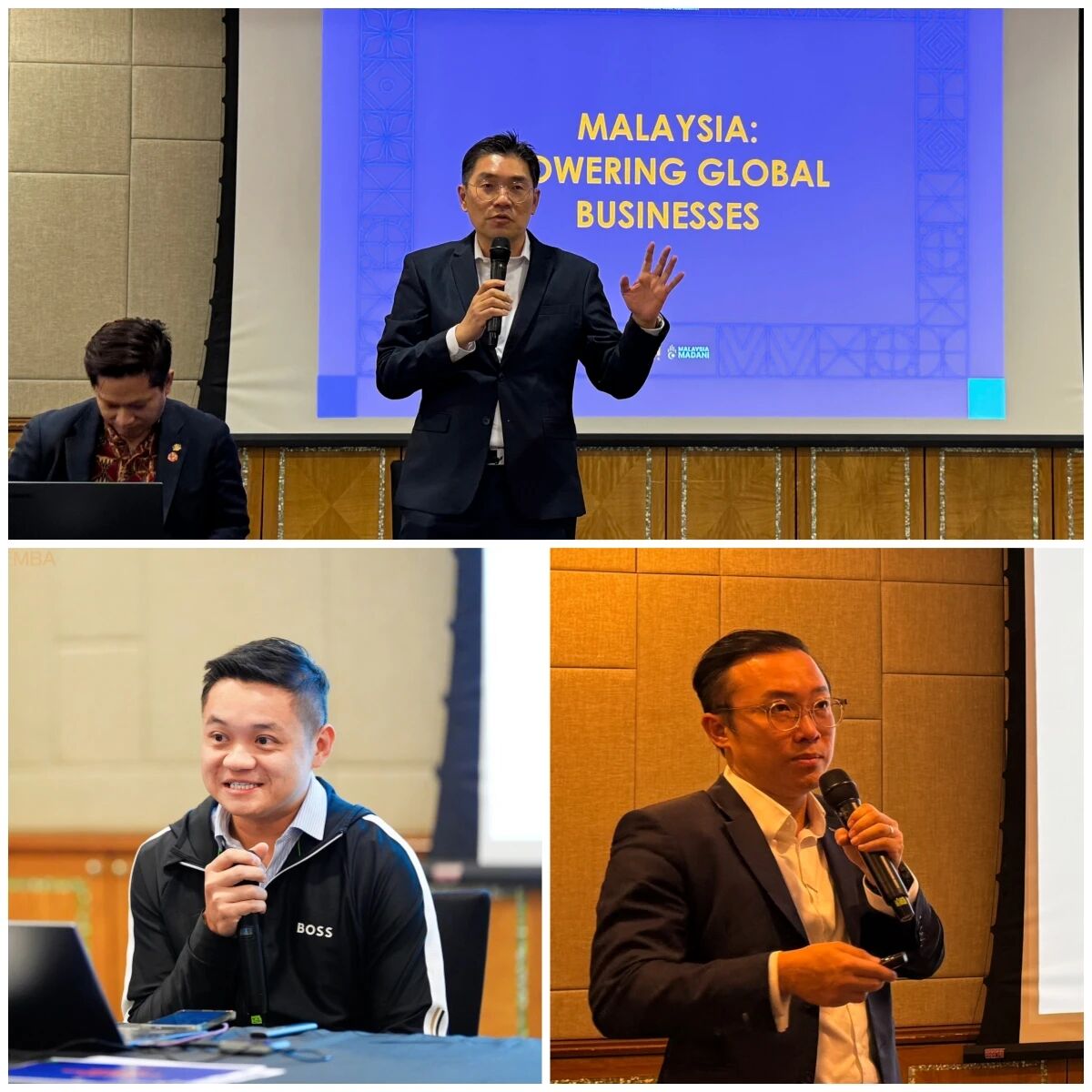
Sim Tze Tzin (top); Datuk Joevy Beh Yen Ling (bottom left); Dato’ Davis Chong Chun Shiong (bottom right)
Macroeconomic Investment Logic: Applying the TRACE Framework to Global Asset Allocation
Gao Bin, Special-Term Professor at Tsinghua PBCSF and Founder of Kaifeng Investment, delivered a course titled Macroeconomic Investment Logic: The TRACE Framework in the G2 Era.
Against the backdrop of a global economy increasingly shaped by the interaction between China and the United States, Gao introduced his TRACE framework as a structured approach to macroeconomic investment analysis.
TRACE examines five dimensions: Themes, Risk Scenarios, Assets, Capital Flows, and Economic Cycles.
Using the framework, Gao explored the evolution of long-term structural trends, the impact of geopolitical and inflationary risks, the characteristics of different asset classes, changes in global liquidity and capital flows, and the underlying dynamics of economic cycles.
Drawing on issues including differences between Chinese and U.S. economic policy, the restructuring of global supply chains, and the debate over de-dollarization, Gao examined how different economies are positioned within the global asset-allocation landscape.
The course offered students a systematic framework for looking beyond short-term market noise, identifying structural macroeconomic trends, and constructing more resilient investment portfolios across economic cycles.
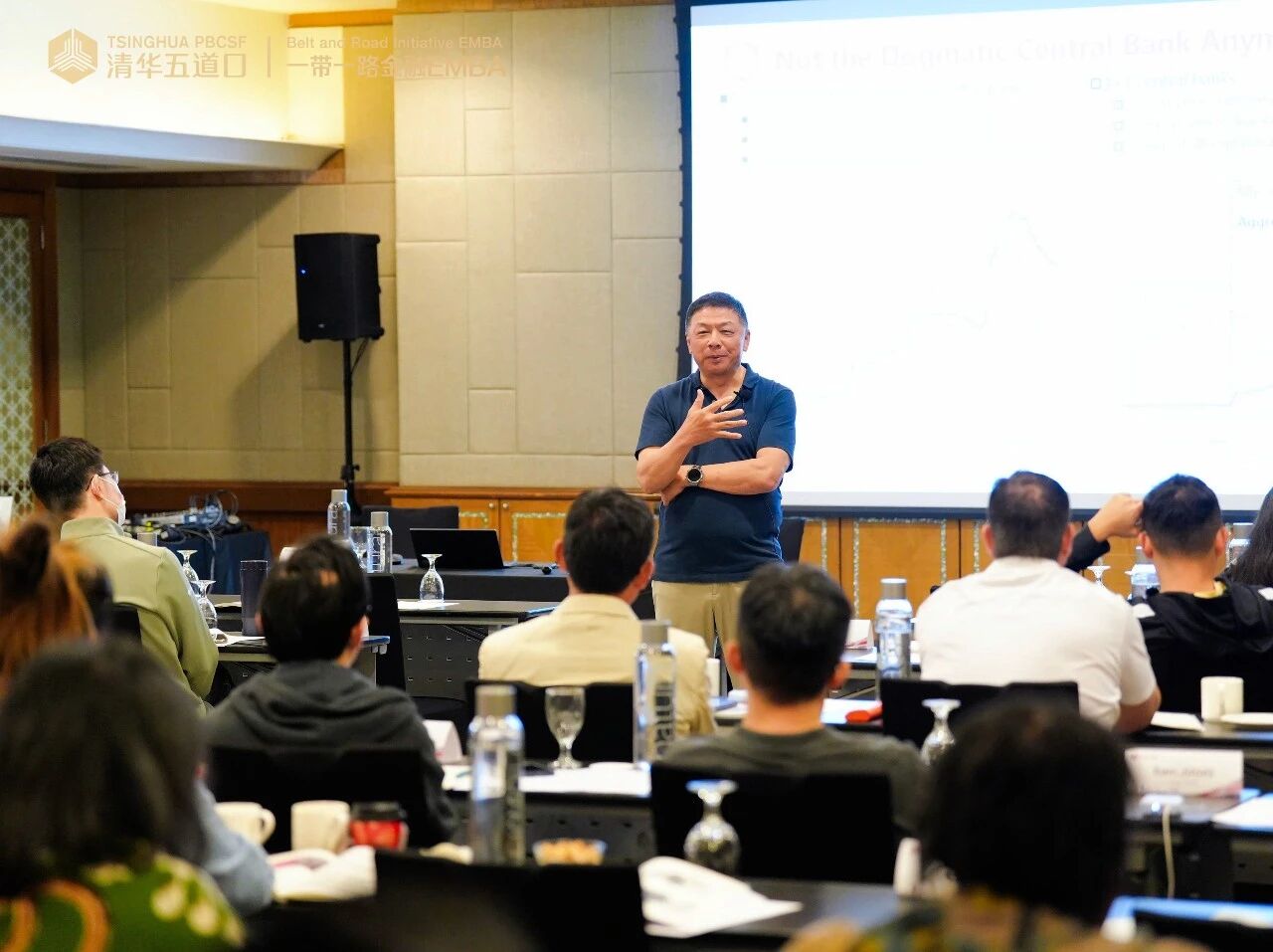
Gao Bin
An Integrated Learning Model: Building Connections for Cross-Border Growth
The Kuala Lumpur module combined government engagement, corporate learning, academic study, and cultural exchange into an integrated learning experience.
Beyond helping students develop a more systematic understanding of Southeast Asian markets, the module connected them directly with policy, business, and academic resources across the region—strengthening the networks and knowledge base needed for future cross-border development.
The program’s signature cultural component also returned with a lively Malaysia Cultural Night.
BRI EMBA students from around the world took to the stage to perform songs in Mandarin, English, Spanish, Russian, Malay, Cantonese, and Hokkien, among other languages. The evening captured the international character of the program and the openness and diversity of its community.
As an executive education program developed in the context of the Belt and Road Initiative, the Tsinghua PBCSF BRI EMBA remains committed to building a learning and collaboration platform that connects regions, industries, and disciplines.
Going forward, the program will continue to focus on major centers of global economic development and further strengthen its international module curriculum. Through targeted, immersive learning and first-hand engagement with local markets, institutions, and businesses, BRI EMBA seeks to help students better understand the forces reshaping the global economy, identify opportunities for international cooperation, and build the capabilities required to lead their organizations across borders.


