On November 8, 2026, as late-autumn leaves drifted across the Tsinghua campus, Tengku Datuk Seri Utama Zafrul Tengku Abdul Aziz returned to Tsinghua University PBC School of Finance (Tsinghua PBCSF) to revisit his BRI EMBA journey. A former Minister of Finance and former Minister of Investment, Trade and Industry of Malaysia, he currently serves as Chairman of the Malaysian Investment Development Authority (MIDA) and Chairman of the Southeast Asian Futures Initiative Centre (SEAFIC).
Despite his extensive experience in public service and regional economic affairs, Tengku Zafrul returned to campus in the spirit of a dedicated student, continuing to reflect, question, and learn. His research at Tsinghua PBCSF, titled “U.S. Trade Policy Uncertainty and Malaysia’s Electrical and Electronics (E&E) Industry: Implications for Trade, Foreign Investment, and the Macroeconomy,” draws on his longstanding engagement with ASEAN trade and economic affairs. It translates firsthand industry observations and policy experience into rigorous academic inquiry, under the guidance of Professor Jiao Jie, Dean and Chair Professor of Tsinghua PBCSF. Balancing multiple public responsibilities, Tengku Zafrul remained committed to his coursework and research alongside his demanding professional schedule. For him, the Tsinghua experience offered a rare and valuable opportunity to step back from the pace of public life, reflect more deeply, and engage with new ideas.
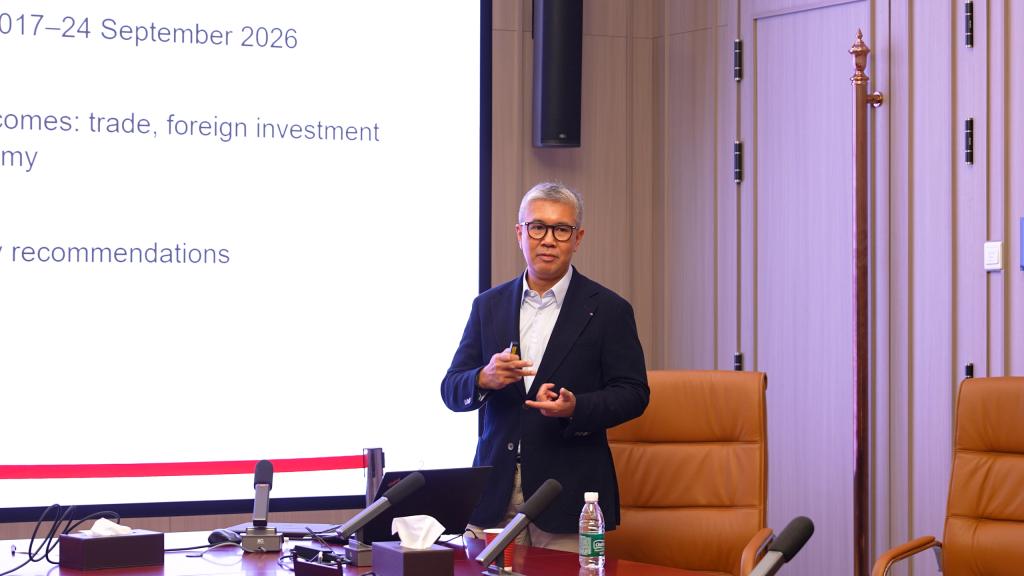
Photo: Tengku Zafrul at an academic exchange session at Tsinghua PBCSF
Understanding the Impact of U.S. Trade Policy Uncertainty on Malaysia’s E&E Industry
Q: Could you briefly share the key findings of your research on trade policy uncertainty and its impact on Malaysia’s electrical and electronics (E&E) industry?
Tengku Zafrul: My research focuses on trade uncertainty and its impact on the E&E industry. By impact, I mean not only investment and trade, but also broader economic performance. As you know, U.S. trade policy has had an impact on the global economy, and Malaysia is no exception. My research examines the period from 2017 through September 2026. The findings do not point to a simple or definitive conclusion. Malaysia’s economy has remained resilient, with continued economic growth and an expanding trade volume. Trade with the world, including trade with the United States, has also continued to increase steadily. At the same time, considerable uncertainty remains. These uncertainties are likely to have lasting implications for trade and investment across the region and in Malaysia, particularly in the E&E industry, which includes the semiconductor sector.
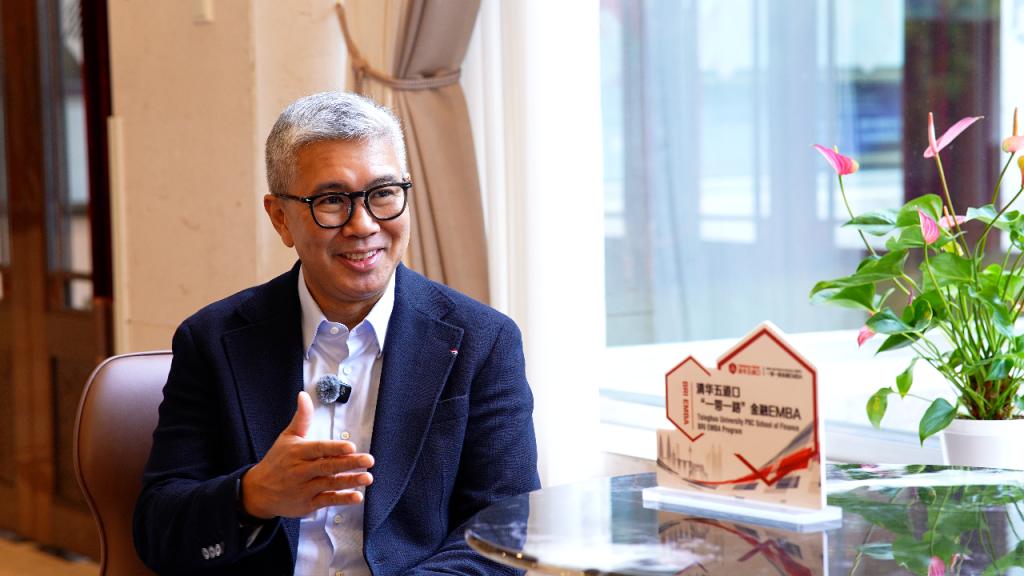
Photo: Tengku Zafrul
How Tsinghua Shaped a More Evidence-Based Approach to Thinking
Q: How has Tsinghua’s culture shaped the way you think during your BRI EMBA journey?
Tengku Zafrul: It has broadened my perspective and the way I approach things. You know, being here sets you against a very high standard. The dedication and passion of the School’s staff and faculty, as well as the commitment of its professors, have genuinely helped shape the way I think. For example, I would not make a judgment about something today without looking at the data first. That is one practical change I have taken away from this experience. This journey has been very, very valuable to my professional career. I am sincerely grateful to the team here at Tsinghua.
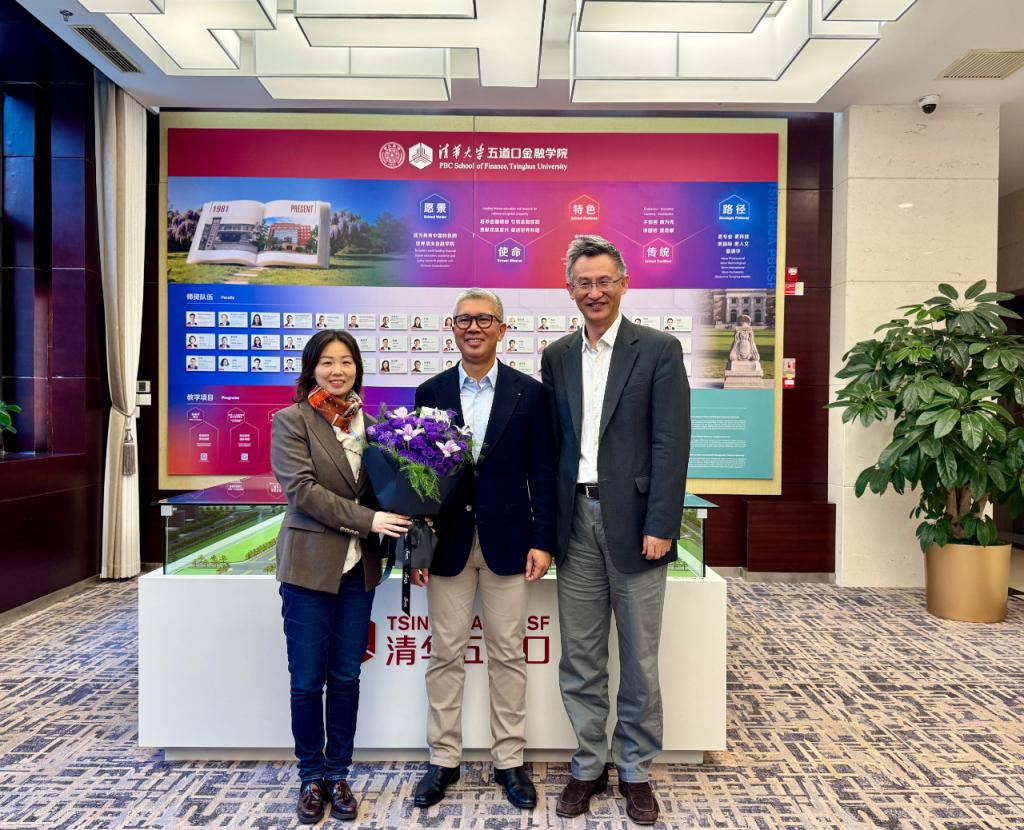
Photo: Professor Ju Jiandong of Tsinghua PBCSF (right), Li Yuanzhen, Director of the Center for Finance EMBA (left), and Tengku Zafrul
Nearly a Decade of BRI EMBA: A Journey of Learning and Lasting Camaraderie
Q: The BRI EMBA program was launched in 2017 and is now approaching its tenth anniversary. How would you describe your experience as part of this distinctive community?
Tengku Zafrul: I would describe it as a very enjoyable and highly rewarding journey. When I joined the program in 2017, I was Group Chief Executive Officer of CIMB Group, one of ASEAN’s leading banking groups. I subsequently entered government service and served as Malaysia’s Minister of Finance during the COVID-19 pandemic. During the trade tensions that followed, I became Minister of Investment, Trade and Industry. Today, I serve as Senior Political Advisor to the Prime Minister. Throughout these years, I have come to appreciate just how much the friendships among classmates have supported me along the way. I feel very fortunate to have studied here and to have been part of the development of Tsinghua University PBC School of Finance.
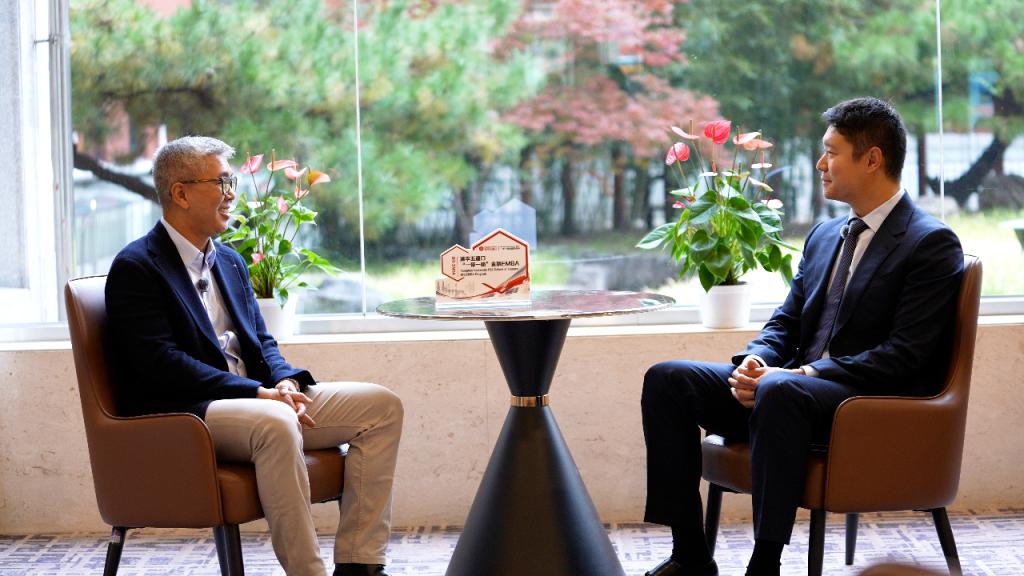
Photo: Tengku Zafrul in conversation with fellow student Huang Sichen
A Global Classroom, Bound by Friendship and Shared Experience
Looking back on his BRI EMBA years, Tengku Zafrul recalled many vivid and deeply personal memories.
The program’s distinctive approach to taking the classroom around the world meant that learning extended far beyond the Tsinghua campus, reaching countries across the Belt and Road network. The overseas modules left a particularly strong impression on him. Meeting and studying alongside fellow entrepreneurs from nearly 30 countries and regions in classrooms around the world was an experience unique to the BRI EMBA. The program brings together practitioners from business and government across the globe, combining site visits, on-the-ground discussions, and classroom learning. This approach takes cross-border understanding beyond what can be gained from books and written materials alone. Through face-to-face exchanges, participants build trust and friendships that transcend national boundaries.
Throughout this journey, Tsinghua’s motto—“Self-Discipline and Social Commitment”—provided a guiding spirit. Many of his classmates were influential figures in the business and public sectors of their respective countries. Yet once they entered the classroom, they came together as fellow learners, examining the development realities of different economies and exchanging practical insights into policy implementation and industrial development.
While public discussion often focuses on grand frameworks for international cooperation, what moved Tengku Zafrul most about the BRI EMBA community was the sincerity of the personal connections formed along the way. These friendships grew naturally through classroom debates, overseas study trips, and conversations after class. Participants shared experiences from their respective countries and regions, learned from one another, and developed bonds that crossed geographical and cultural boundaries. For him, these connections were especially meaningful because they were genuine and built on shared experience.
Over nearly a decade, the BRI EMBA program has continued to build a transnational learning community. It is more than a classroom for studying finance and economics; it is also a bridge for cross-cultural communication. Policymakers and business leaders from different countries study alongside one another, exchanging ideas and building friendships. Insights first developed in the classroom can go on to create opportunities for practical cross-border cooperation. What students gain from the program extends far beyond an academic qualification. They leave with a broader global outlook, stronger analytical and critical-thinking skills, and an international network of classmates who remain connected and supportive across borders.
Reflecting on how this experience might inform his work across ASEAN, Tengku Zafrul observed that the perspectives he had gained at Tsinghua and in classrooms around the world, together with the friendships he had built with classmates from different countries, were invaluable assets. He intends to bring the intellectual discipline developed through his studies and a more inclusive, globally informed perspective to his work on ASEAN economic and trade affairs—contributing to the region’s efforts to navigate global trade volatility and advance cross-border economic cooperation.
A Tsinghua Journey, and the Road Ahead
As autumn leaves continued to fall across the Tsinghua campus, another chapter in Tengku Zafrul’s story reached a new milestone. His years of public service and his academic journey at Tsinghua came together in this moment, bringing his BRI EMBA chapter to a close. From the front lines of policymaking and industry to the shared classrooms of an international learning community, he now carries forward new knowledge and lasting friendships as he returns to the broader arena of regional development. This is at the heart of the BRI EMBA program’s mission: to connect the world through education and build common ground through dialogue. It brings together people from across countries and industries, giving them a place to exchange ideas, forge lasting relationships, and move forward with a deeper understanding of the world and one another.


