On September 29, 2026, the Finance EMBA Alumni Forum, Bringing Singapore Together, Connecting Markets Along the Silk Road, was held in Singapore. Featuring two panel discussions—“Cross-Border Applications of Financial Innovation” and “Global Competition and Collaboration in AI Computing Power”—the forum brought together academics, investors, and entrepreneur alumni for in-depth discussions on emerging developments in finance and technology.
Attendees included Zhang Wei, Member of the CPC Committee and Assistant Dean of Tsinghua University PBC School of Finance (Tsinghua PBCSF); Li Jingfang, Member of the CPC Committee and Director of the Alumni Relations Office and Academic Affairs Office; and Kong Chenjing, Head of Alumni Development at the Center for Finance EMBA. The event was moderated by Ding Xinyan, an alumna of the inaugural BRI EMBA cohort, Managing Director of SEGA Ventures, and Founding Partner of Yincubator.
From Tsinghua PBCSF to Singapore, alumni explored how technology and capital can work together to support international expansion, offering a firsthand look at how Chinese financial and technology companies are reaching global markets from Southeast Asia, a key meeting point along the Belt and Road.
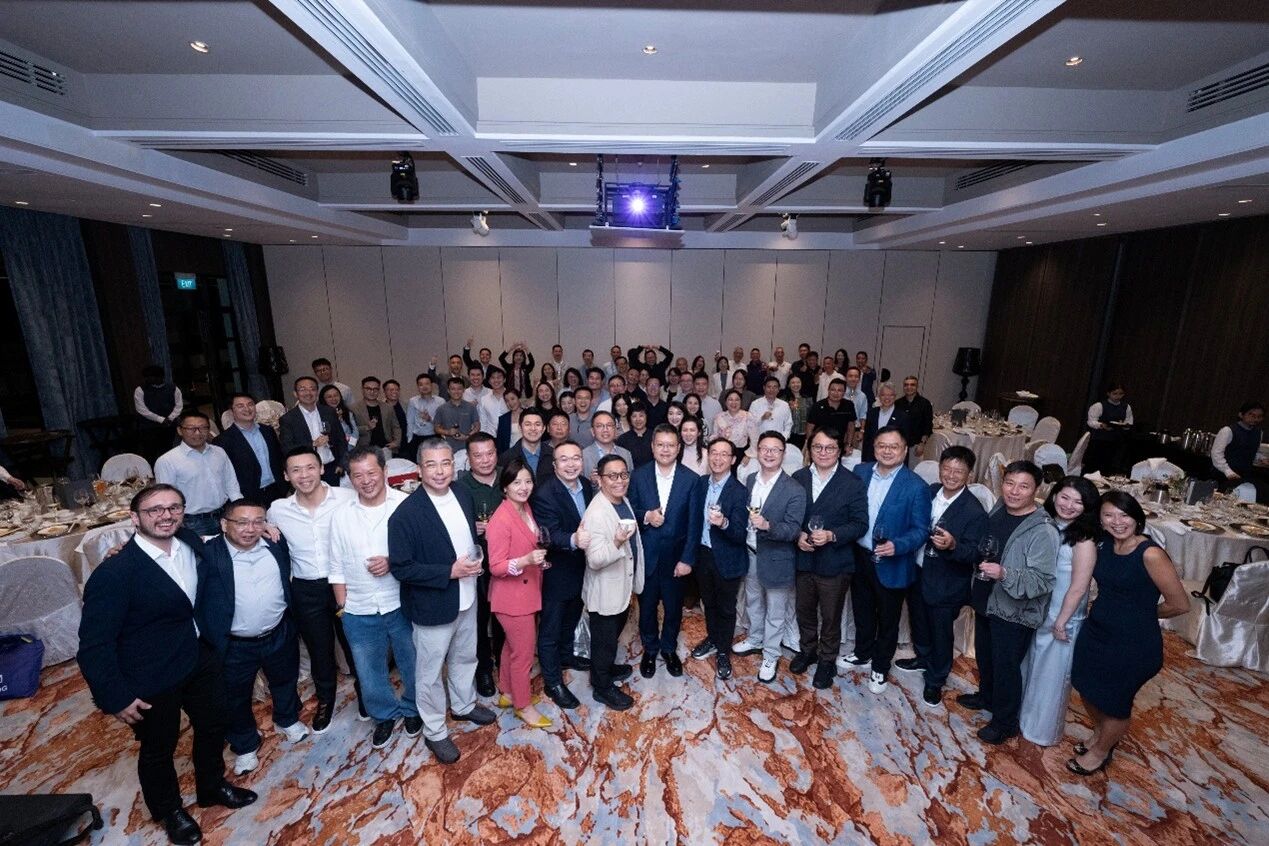
Photo: Group photo of forum participants
Pre-Forum Visits: From Government Agencies to the Front Lines of Business
Ahead of the forum, alumni visited the Singapore Economic Development Board (EDB) to learn about Singapore’s industrial structure, regional headquarters economy, innovation ecosystem, and business policies. The visit offered a closer understanding of Singapore’s role in global value chains and its position as a regional hub for international business.
The delegation then visited the headquarters of CULines, an international container shipping company led by Raymond Chen Honghui, a student of the Finance EMBA Class of 2022 and the company’s Chairman and CEO. Discussions focused on overseas market development, regional operations, and cross-border business expansion. The exchange brought classroom insights into direct conversation with the realities of running an international business.
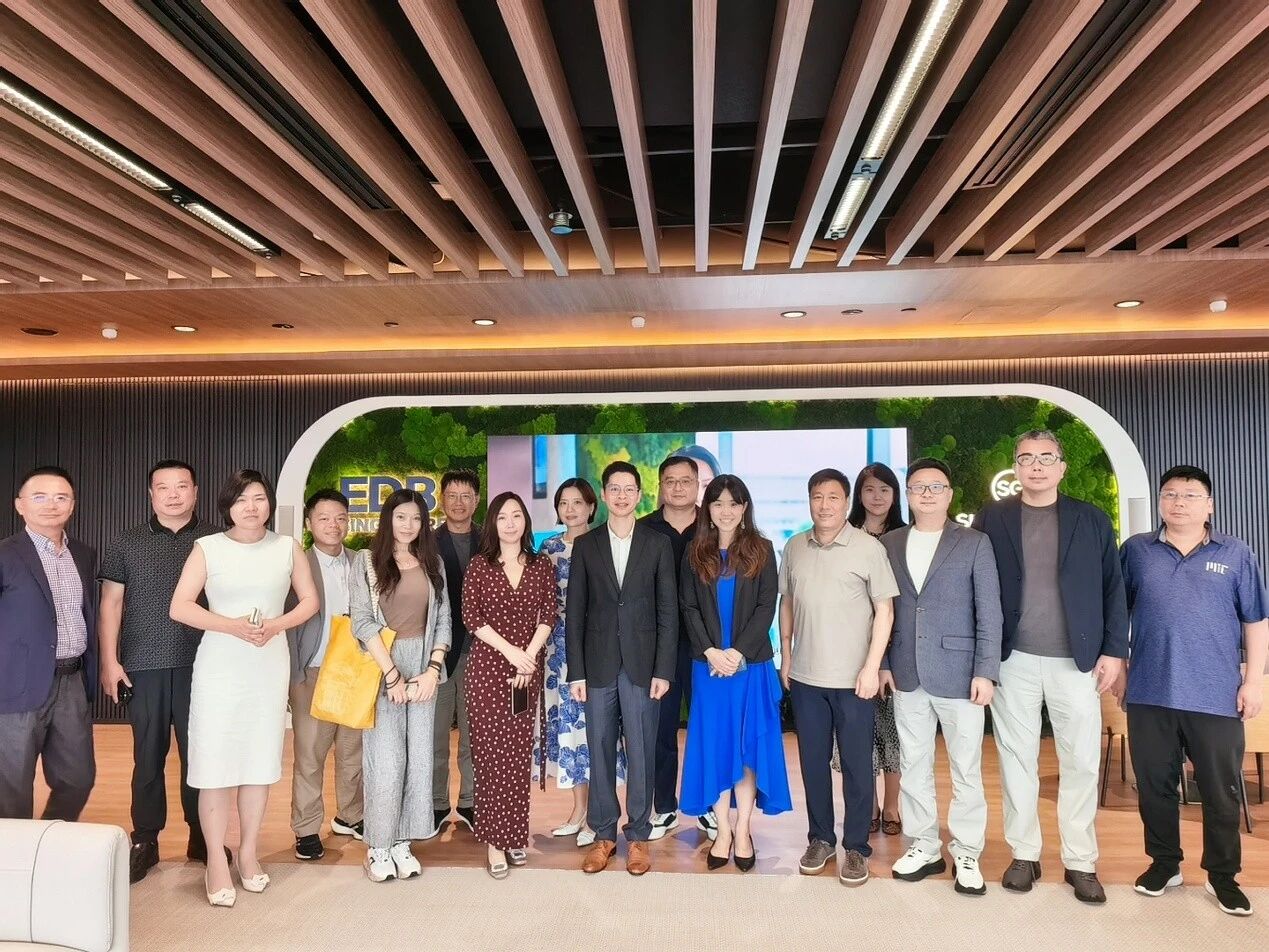
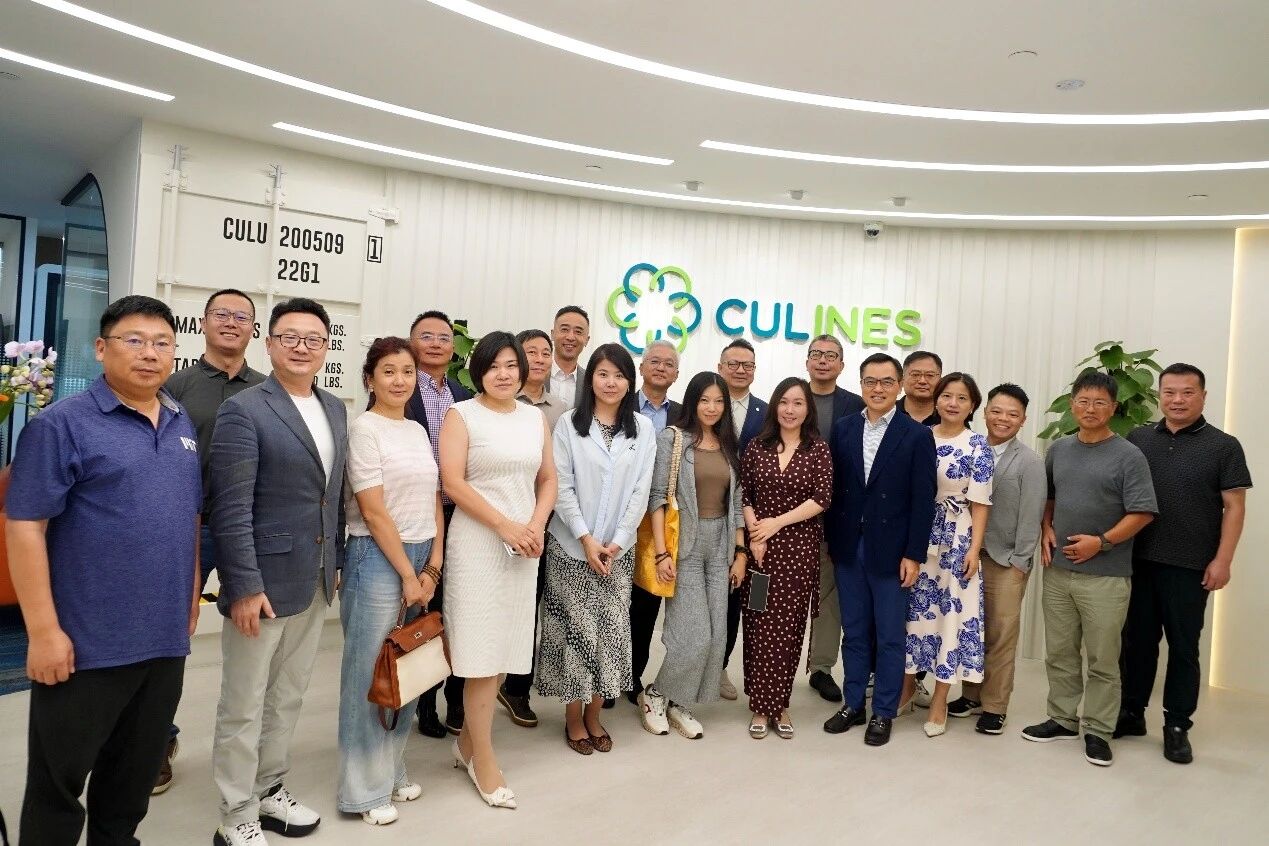
Photos: Faculty and alumni visit the Singapore Economic Development Board; faculty and alumni visit CULines
Financial Innovation: From Cross-Border Applications to Value Creation
The first panel, titled “From Tsinghua PBCSF to Singapore: Testing Financial Innovation and Putting It into Global Practice,” examined financial innovation from three perspectives: business execution, asset financing, and academic research.
Yanan Wu, an alumnus of the second BRI EMBA cohort and Founder and CEO of Surfin Meta, drew on his international business experience to discuss pathways for taking Chinese AI applications into overseas markets. He highlighted the potential to bring original Chinese AI applications and operational expertise to a wider international audience, enabling technological innovation to find practical applications across different economies.
Lincoln Yin Likun, a student of the fifth BRI EMBA cohort and Founder and CEO of TKD Group, turned the discussion to data generated by physical assets and equipment. He outlined a business model for asset financing based on equipment data and explored approaches to connecting on-chain capital with returns generated by real-world assets (RWAs). This approach offers a potential alternative to traditional credit-based financing.
Hong Zhang, Keppel Professor in Financial Economics and Director of the Sim Kee Boon Institute for Financial Economics at Singapore Management University’s Lee Kong Chian School of Business, approached the subject from the fundamentals of financial markets. Using platform network effects as a starting point, he connected firm-level innovation with the broader economic mechanisms through which value is created, offering an academic perspective on the drivers of financial innovation.
A central takeaway was that internationalizing financial innovation requires more than expanding into new markets or application scenarios. Sustainable value creation depends on the underlying business model: how technology serves business needs, how data connects assets with capital, and how the value generated by innovation is shared among different participants.
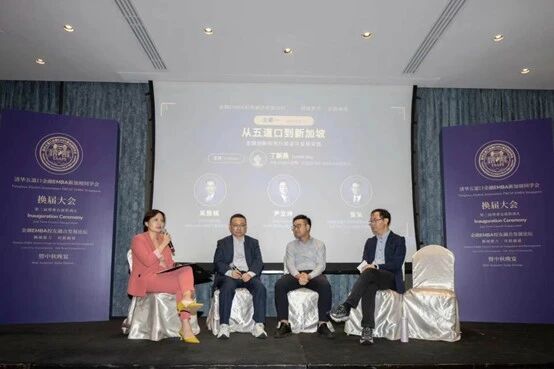
Photo: Panel discussion I
AI Computing Power: From Chip Design to Commercial Sustainability
The second panel, “New Global Hubs for AI Computing Power: Internationalization Strategies for Chips and Computing Infrastructure,” brought together experts from academia, chip design, and computing infrastructure to examine the technological, resource, and commercial factors shaping the global AI industry.
Fan Dongrui, an alumnus of the Finance EMBA Class of 2021 and Founder and Chairman of SmarCo, began with chip design. He discussed progress in processor development by Chinese companies and extended the conversation to the competitive dynamics of international markets, establishing the technological foundation for the panel’s discussion.
Sun Xiaosi, an alumna of the Finance EMBA Class of 2020 and Vice President and Director of International Markets at Cloudnine Info, shifted the focus to commercial viability. She argued that reducing the cost per token and enabling large language model (LLM) businesses to become profitable are essential prerequisites for sustainable value creation across the industry. Her discussion covered architecture optimization, domestic and international chip design, and the development of computing-power markets, linking technical advances to the economics of AI deployment.
Yonggang Wen, Professor and President’s Chair in Computer Science and Engineering at Nanyang Technological University, Singapore, and a Fellow of the Singapore Academy of Engineering, examined the components of token-generation costs across the computing stack, from chips to data centers. He emphasized that foundational resources—including electricity, land, and water—can be decisive in determining whether computing infrastructure projects are feasible.
Justin Chen, an alumnus of the inaugural BRI EMBA cohort and Founder and Managing Partner of ALC Capital, added an investor’s perspective on market positioning. He discussed how access to resources and the need to serve both Chinese and US markets can shape decisions about where to locate computing infrastructure projects, as well as the choice of energy-efficiency technologies for data centers.
A central takeaway was that internationalizing AI computing power requires a systems-level perspective. Chip architecture determines computational efficiency; energy and other resource constraints influence where projects can be built; and the cost and revenue dynamics of AI applications determine whether investment can be sustained. Assessing the cost per token alongside resource availability and market selection provides a framework for evaluating whether a technical solution can become a commercially sustainable operation.
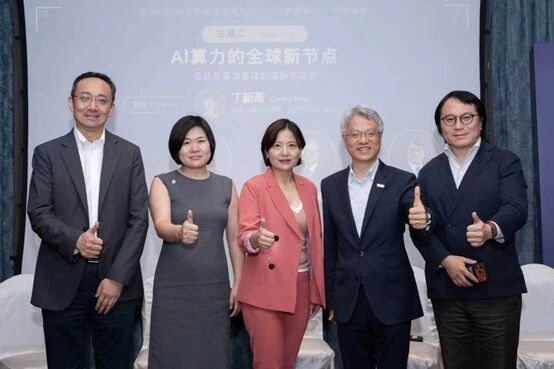
Photo: Group photo of the second panel’s speakers
Connecting Alumni, Expanding Global Perspectives
By bringing together Finance EMBA alumni from different sectors, the forum provided a platform to examine industrial change, exchange practical insights, and broaden international perspectives. The discussions also offered a useful foundation for future collaboration in cross-border business, technology applications, and industrial development.
As Chinese financial and technology companies continue to explore international markets, the dialogue in Singapore highlighted the value of connecting capital, technology, and business expertise—and of drawing on the alumni network to turn shared insights into new opportunities for cooperation.


